
Posts Tagged ‘compressor valves’
Common Valve Gasket Issues and How to Avoid Them
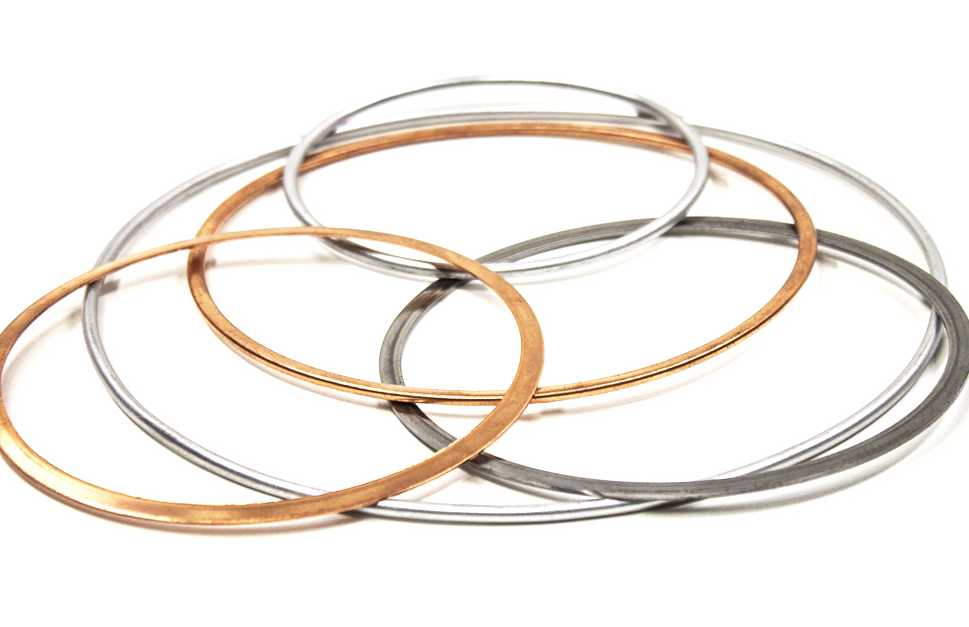
A valve gasket is an essential component that creates a secure seal between mechanical surfaces, preventing leaks and maintaining system pressure. Proper selection, installation, and maintenance of valve gaskets help ensure reliable performance, reduce wear, and extend equipment lifespan. Regular inspection and high-quality materials minimize downtime and operational disruptions. Valve gaskets are critical components in…
Read MoreTop Strategies for Valve Performance Optimization in Industrial Systems

Valve performance optimization is essential for ensuring reliability, efficiency, and safety in industrial systems. By focusing on proper valve selection, maintenance, lubrication, and monitoring, operators can reduce downtime, prevent leaks, and extend equipment lifespan. Effective optimization improves system performance, lowers operational costs, and supports long-term productivity in industrial operations. Inefficient or poorly performing valves can…
Read MoreValve Manufacturing: Meeting the Demands of Modern Applications
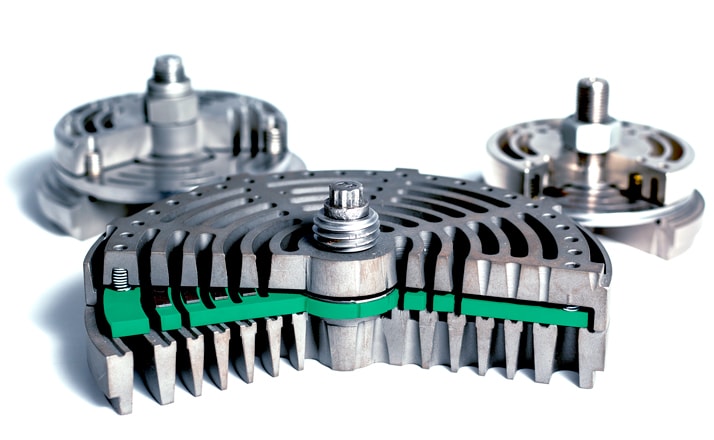
In today’s rapidly evolving industrial landscape, valve manufacturing has emerged as a critical factor in the seamless functioning of various applications across diverse industries. Valves, as essential components, play a vital role in regulating the flow of fluids and gases, allowing for precise control and efficient operation within industrial processes. Valve manufacturing companies have recognized…
Read MoreValve Seats Replacement: Everything You Need to Know

Knowing all about valve seats replacement is crucial as valve seats play important roles in reciprocating compressors. Read more. Reciprocating compressor valves are crucial components that regulate or adequately control the flow of fluids. These valves operate by rhythmically opening, closing, or creating obstructions of particles as they flow through various passageways. Valves are so…
Read MoreWhat Causes Valve Seat Damage, and How to Prevent It
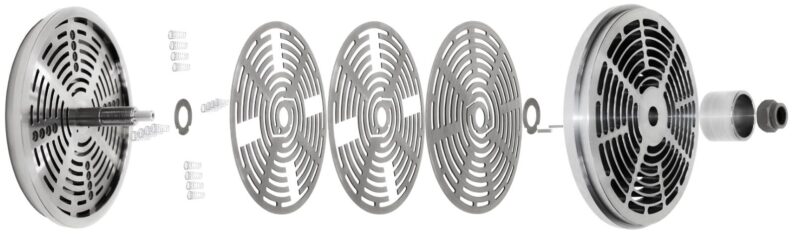
If you’re dealing with valve seat damage, it’s ideal to know how to prevent this from happening again. Read this helpful guide. Valves are vital components that help control or regulate the flow of fluids by rhythmically closing, opening, or creating particle obstructions to numerous passageways. They are widely employed in industrial processes, including: …
Read MoreCompressor Valve Types and Other Valves Related to Reciprocating Compressors
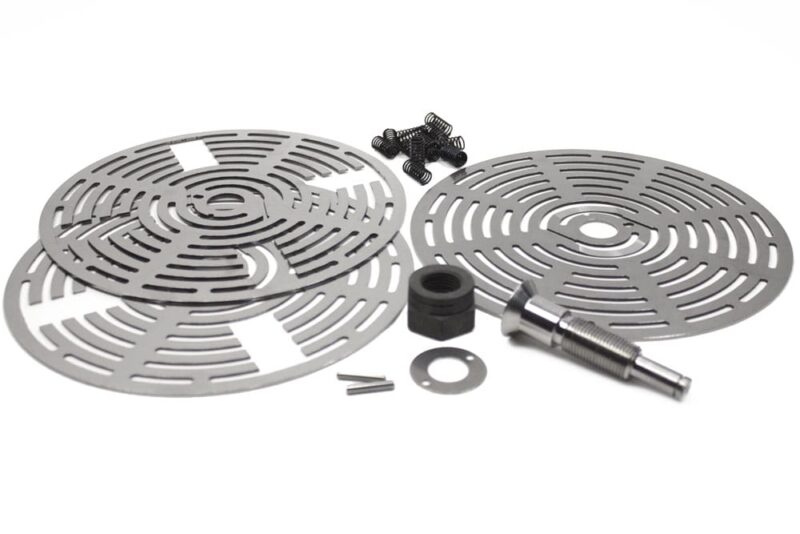
There are many different compressor valve types each with a unique design and purpose. Let’s learn more about them and other related valves. Compressors are devices that develop potential energy stored within pressurized gas from fluid or electricity. They work by moving gas, liquid, or air through a machine’s components. Compressors generally have cylinder chambers…
Read MoreCommon Mistakes to Avoid in Valve Design

Creating a top valve design is always a learning experience. In order to avoid common mistakes in the design process, read all the details to know below. Valves are structures or components found and used in nearly every industrial process or application. Global energy conglomerates, heavy and automotive equipment manufacturers, and mining companies, rely heavily…
Read MoreReplacing a Compressor Unloader Valve
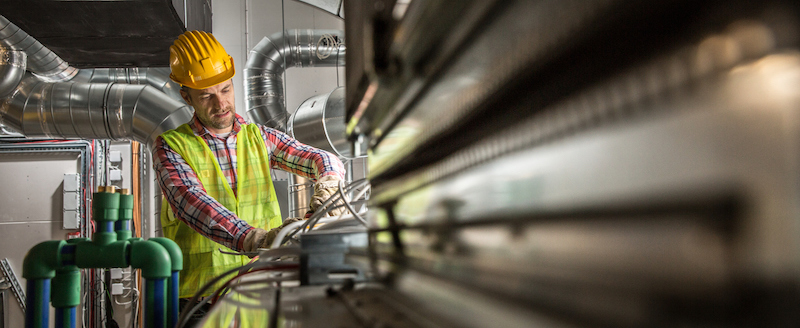
If your compressor unloader valve fails to work properly, then your compressor will most likely not work properly either. Find more below about how its importance and how to replace it. The compressor unloader valve is very much important because it provides a critical function in preparing your compressor to restart after it shuts down;…
Read MoreWhat Are The Different Parts Of A Valve?
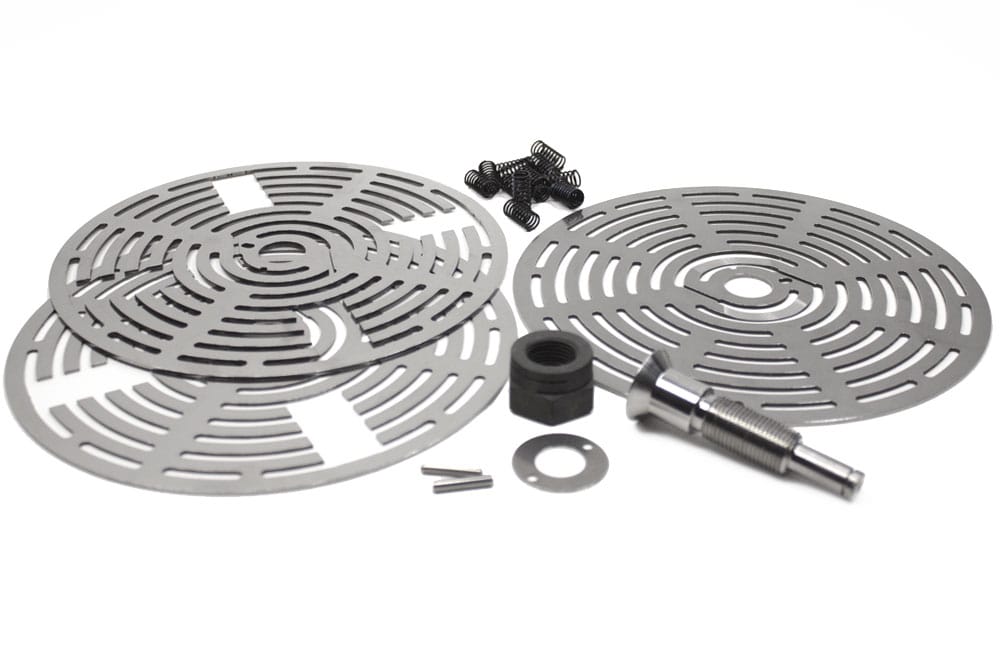
Whether your compressor is working properly or not, it is important to understand the individual parts of a valve that make up the machine. This will allow you to identify whether there is a problem, diagnose the problem, and choose the correct replacement part. All of this knowledge will save you time and money, and…
Read MoreWhat to Know About Oil and Gas Pipeline Safety
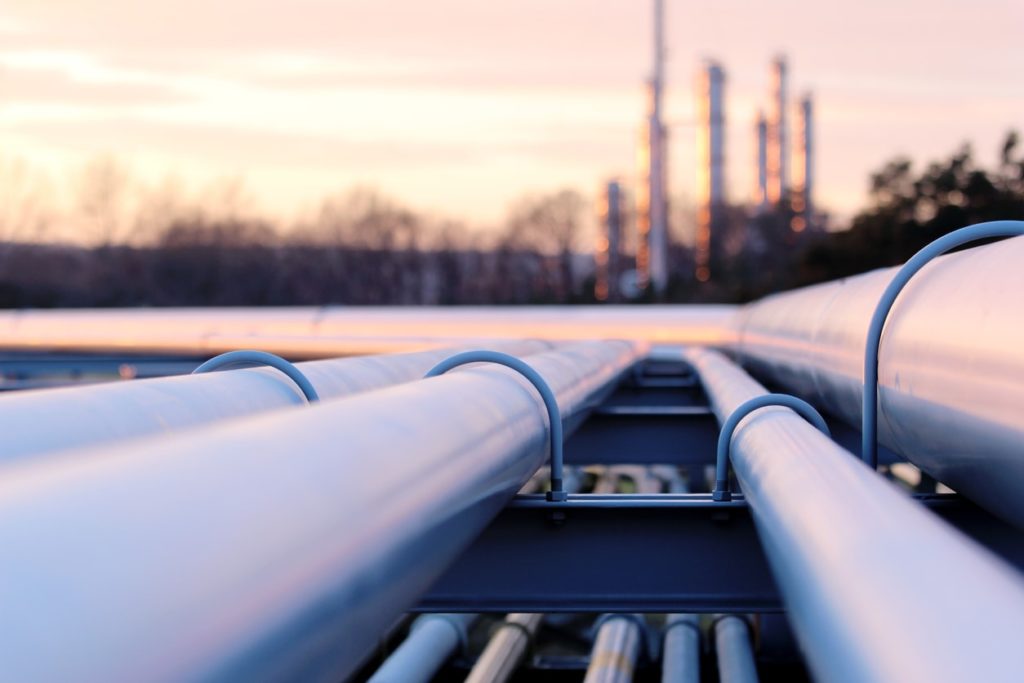
According to the National Transportation Safety Board, pipelines are the most efficient and safest way to transport petroleum products and natural gas. In fact, over 34% of our nation’s energy is generated by natural gas and over 700 million gallons of petroleum products is pumped through 300,000 miles of transmission pipeline across the country and…
Read More