
Posts by admin
Defining Spring Stiffness: An Overview of Mechanical Principles

Mechanical assemblies rely on precise energy storage and controlled displacement to maintain structural stability and operational safety. Among the components that regulate this force, mechanical springs remain essential in everything from heavy automotive suspensions to high-precision industrial compressors. The core characteristic that governs how these components behave under load is spring stiffness. Understanding this concept…
Read MoreUnderstanding Valve Failure in Mechanical and Compressor Systems
Valves serve as the gatekeepers of fluid dynamics, fuel control, and pressure regulation across engines, automotive assemblies, and industrial reciprocating compressors. When a control valve or engine valve begins to degrade, overall efficiency drops rapidly, triggering a series of mechanical problems that can paralyze machinery. Recognizing early warning signs saves operators and automotive technicians thousands…
Read MoreUnderstanding Compression Ratio and Machinery Performance
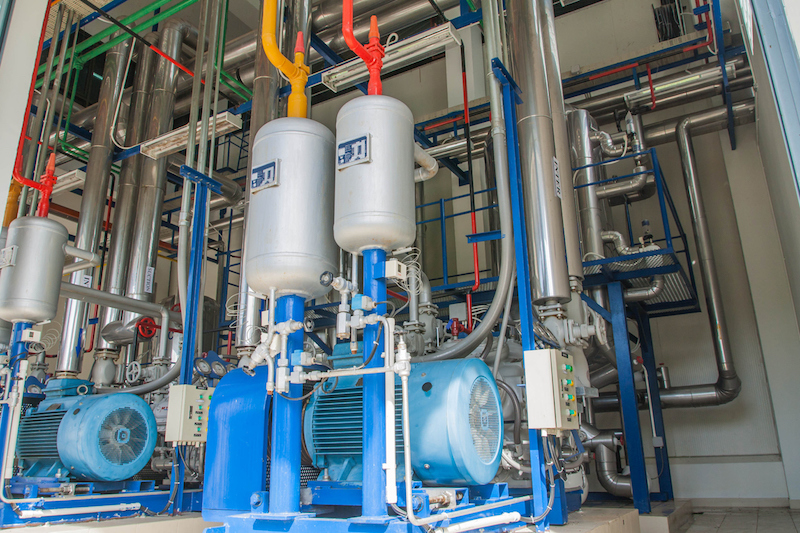
Compression ratio is one of the most essential mechanical measurements in internal combustion engines and industrial reciprocating compressors. This core metric determines how efficiently equipment converts fuel and intake charge into usable mechanical power. Understanding this fundamental concept helps operators manage system temperatures, output capacity, and equipment longevity. In this guide, you will find…
Read MoreEverything You Need to Know About the Connecting Rod
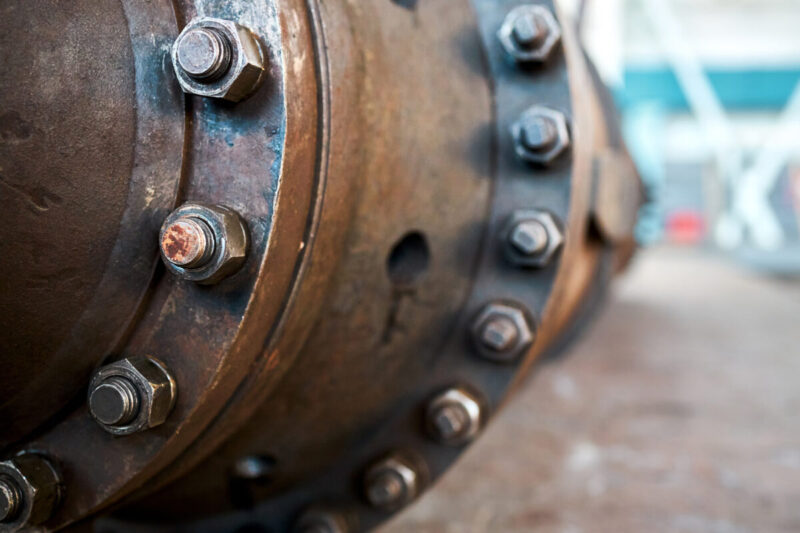
The mechanical backbone of reciprocating machinery relies heavily on a single link: the connecting rod. Often called a con rod, this component creates the vital connection between the piston head and the rotating crankshaft in industrial machinery and internal combustion systems. In reciprocating compressors, the primary job of this assembly is to translate the…
Read MoreThe Difference Between Plastic Pellets and Granules in Polymer Manufacturing
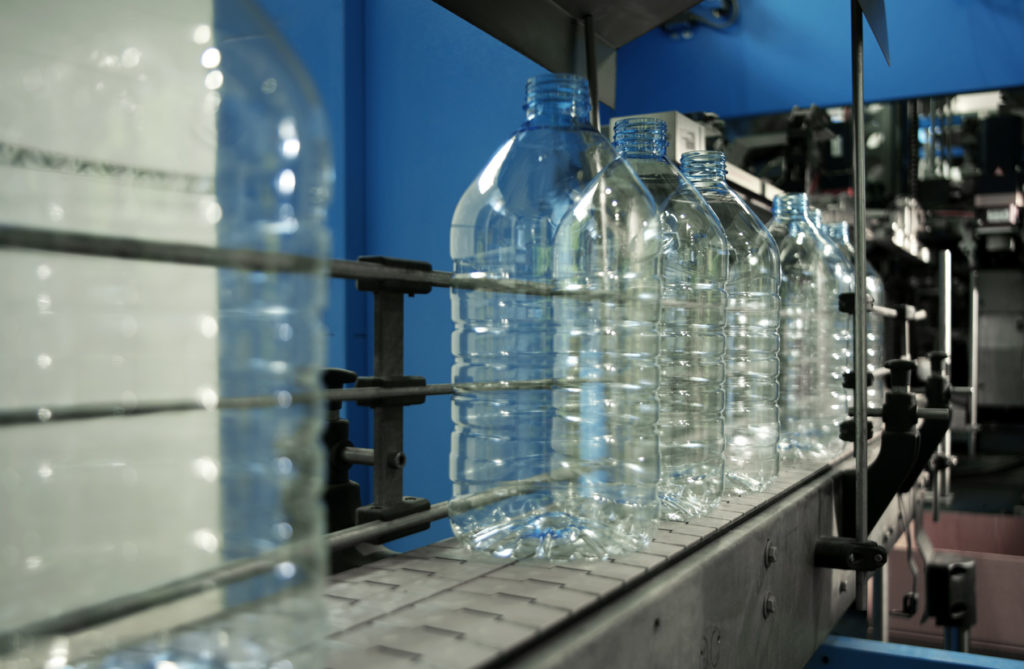
Various manufacturing processes have been used in the creation of plastics over the years. However, there is a fundamental difference between plastic pellets, granules, powder, and other polymeric materials that are formulated during the processing of a polymer. These different forms of raw materials are specifically engineered to be fed into industrial machinery where final…
Read More6 Simple Steps to Troubleshooting a Compressor
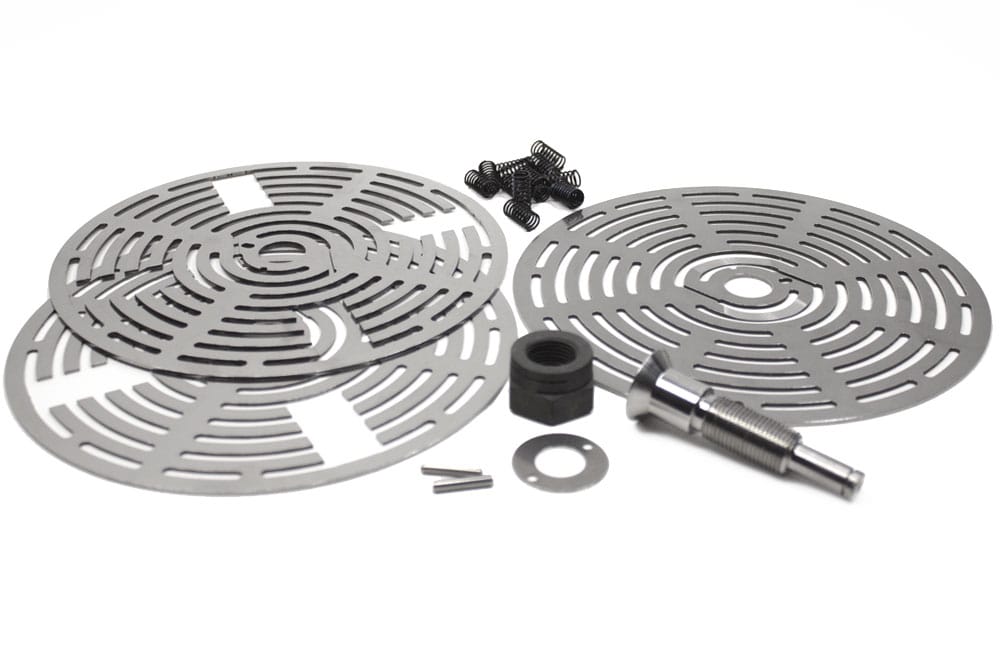
The core of any industrial refrigeration, HVAC, or process gas system is the compressor. It is the mechanical heart that drives the entire cycle, responsible for moving refrigerant or process gases under tight pressure constraints. Because it is the most critical piece of machinery in the loop, the vast majority of system performance issues ultimately…
Read MoreSingle-Stage vs. Two-Stage Blow Molding Machines: A Definitive Guide
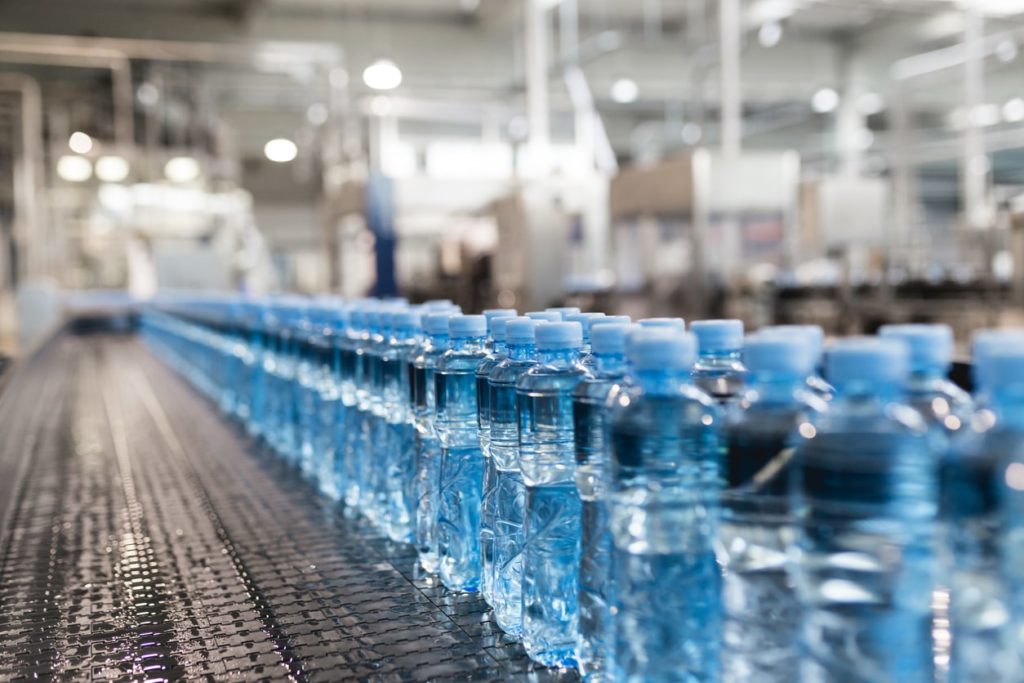
In the highly competitive world of industrial manufacturing, choosing the right machinery can mean the difference between a highly profitable production facility and one plagued by operational bottlenecks. For plastic packaging companies, the selection of equipment is paramount—specifically, deciding between a single-stage process or a two-stage process for bottle production. Blow molding machines employed…
Read MoreHow to Calculate Reciprocating Compressor Capacity

In the vast tapestry of industrial applications, the calculation of reciprocating compressor capacity stands as a linchpin that weaves together the threads of plant efficiency and manufacturing productivity. This indispensable metric transcends the boundaries of industry, finding its critical relevance in chemical processing plants, heavy manufacturing facilities, and petrochemical refineries alike. The quest for…
Read MoreCompressor vs Pump: What’s the Difference?
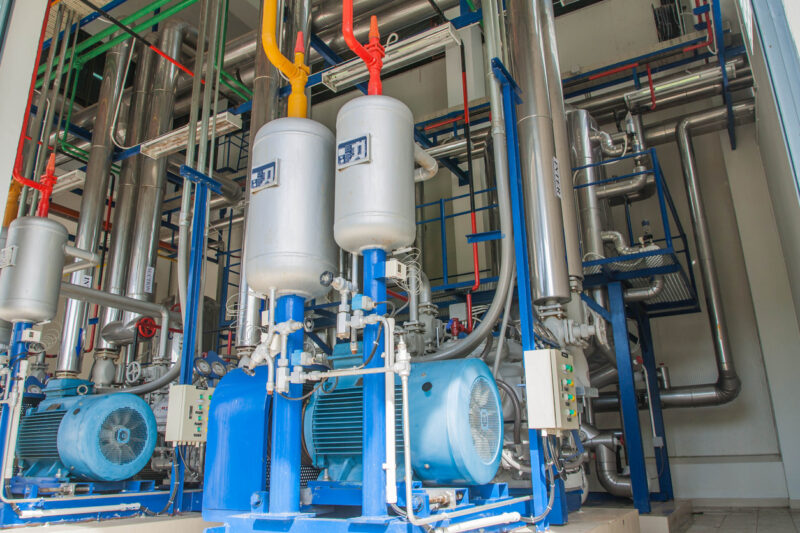
In industrial fluid mechanics and manufacturing, mechanical systems are constantly tasked with moving substances from one location to another. Two of the most ubiquitous machines utilized for this purpose are pumps and compressors. Because both devices are designed to increase fluid pressure and facilitate movement through a system, they are often confused or used interchangeably…
Read MoreThe Main Components of a Reciprocating Compressor: An Engineer’s Guide
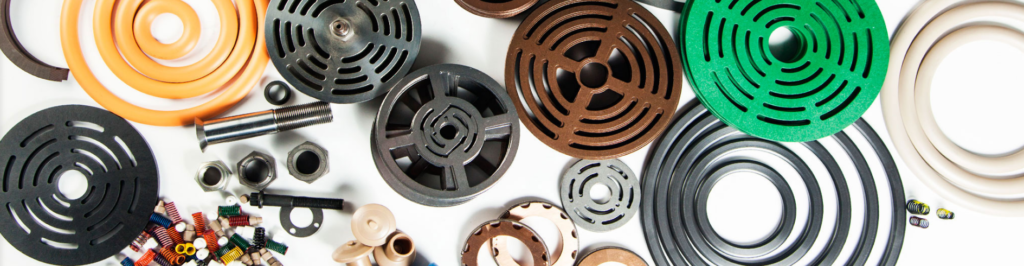
In global energy production, petrochemical refining, and heavy manufacturing, managing gas transmission demands exceptionally reliable machinery. Among the various types of displacement machinery available, the reciprocating compressor remains an industrial workhorse. These systems are uniquely capable of generating ultra-high pressures, making them indispensable for processing everything from natural gas to volatile chemical vapors. However, because…
Read More