
Compressors
Understanding Compression Ratio and Machinery Performance
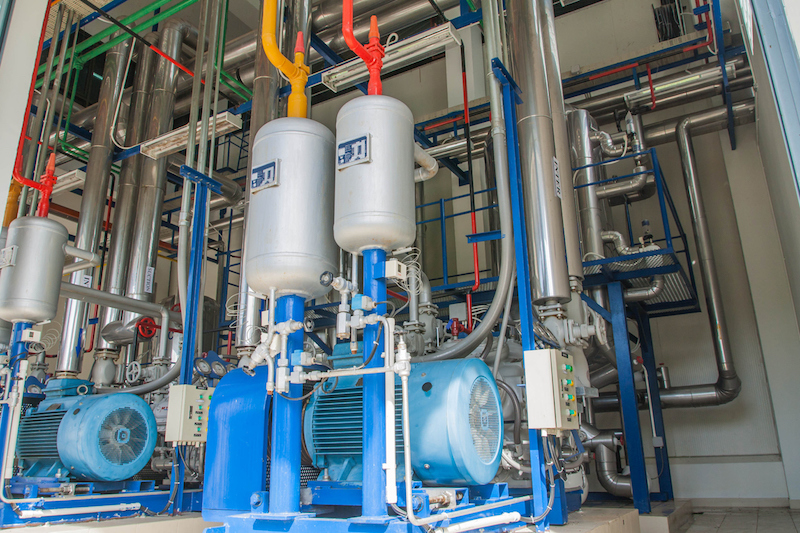
Compression ratio is one of the most essential mechanical measurements in internal combustion engines and industrial reciprocating compressors. This core metric determines how efficiently equipment converts fuel and intake charge into usable mechanical power. Understanding this fundamental concept helps operators manage system temperatures, output capacity, and equipment longevity. In this guide, you will find…
Read More6 Simple Steps to Troubleshooting a Compressor
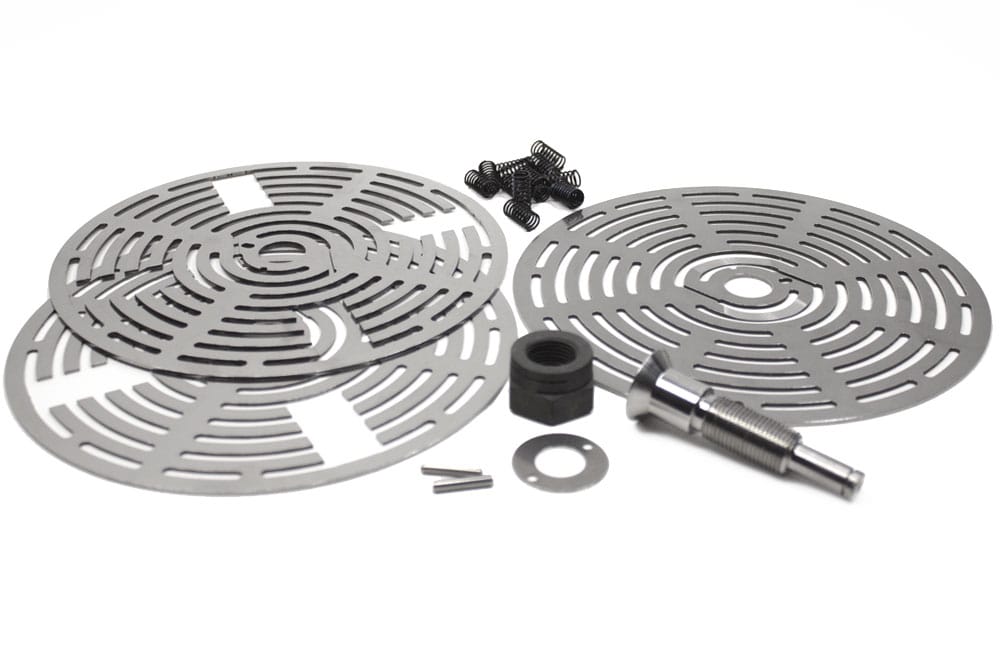
The core of any industrial refrigeration, HVAC, or process gas system is the compressor. It is the mechanical heart that drives the entire cycle, responsible for moving refrigerant or process gases under tight pressure constraints. Because it is the most critical piece of machinery in the loop, the vast majority of system performance issues ultimately…
Read MoreHow to Calculate Reciprocating Compressor Capacity

In the vast tapestry of industrial applications, the calculation of reciprocating compressor capacity stands as a linchpin that weaves together the threads of plant efficiency and manufacturing productivity. This indispensable metric transcends the boundaries of industry, finding its critical relevance in chemical processing plants, heavy manufacturing facilities, and petrochemical refineries alike. The quest for…
Read MoreCompressor vs Pump: What’s the Difference?
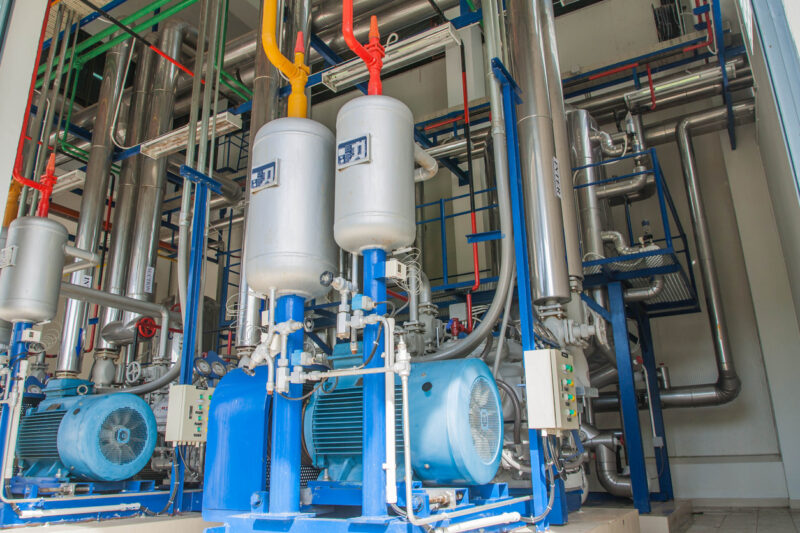
In industrial fluid mechanics and manufacturing, mechanical systems are constantly tasked with moving substances from one location to another. Two of the most ubiquitous machines utilized for this purpose are pumps and compressors. Because both devices are designed to increase fluid pressure and facilitate movement through a system, they are often confused or used interchangeably…
Read MoreReciprocating Compression: How It Works and Why It Matters

Reciprocating compression is a process where a piston moves back and forth within a cylinder to compress natural gas, converting mechanical energy into pressure energy. Widely used in industrial applications, it offers precise pressure control, high reliability, and adaptability. Proper understanding and maintenance ensure efficiency, longevity, and safe operation in demanding environments. Industrial and process…
Read MoreHow a P.E.T. Compressor Works, and Key Valve Parts to Stock
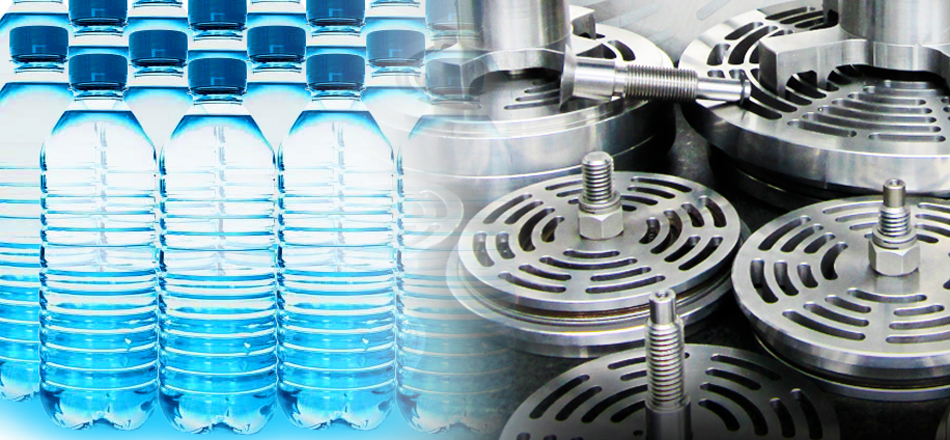
A P.E.T. compressor is designed to efficiently compress gases for industrial applications, ensuring consistent pressure and reliable operation. Its performance depends on well-maintained components, particularly valves, which control gas flow during compression cycles. Proper maintenance and stocking of key parts enhance durability, reduce downtime, and optimize system efficiency. Understanding how a P.E.T. compressor operates is…
Read MoreProcess Gas Compressor: Key Considerations for Industrial Applications

A process gas compressor is essential for industrial operations, providing reliable pressurization and transport of gases. Proper selection, maintenance, and monitoring ensure efficiency, safety, and longevity. Understanding design, materials, and operational requirements helps industries optimize performance, reduce downtime, and maintain compliance with industry standards, making the process gas compressor a critical component in demanding applications.…
Read MoreTroubleshooting Common Gas Compression Challenges

Gas compression systems are essential for industrial efficiency, but operational challenges can disrupt performance and increase downtime. Monitoring pressure, temperature, vibration, and lubrication helps identify early signs of mechanical or thermal issues. Implementing preventive maintenance and troubleshooting strategies ensures reliable gas compression, prolongs equipment lifespan, and maintains optimal system performance. Gas compression systems are vital…
Read MoreVibration Analysis Best Practices for Reciprocating Compressor Maintenance

Vibration analysis is essential for maintaining the reliability and efficiency of reciprocating compressors. By monitoring and interpreting vibration patterns, operators can detect early signs of imbalance, misalignment, or wear. Implementing regular vibration analysis reduces downtime, prevents costly failures, and supports predictive maintenance strategies for long-lasting, optimal compressor performance. Reciprocating compressors are essential in many industrial…
Read MoreAvoiding Common Pitfalls in the Compression Cycle to Reduce Downtime
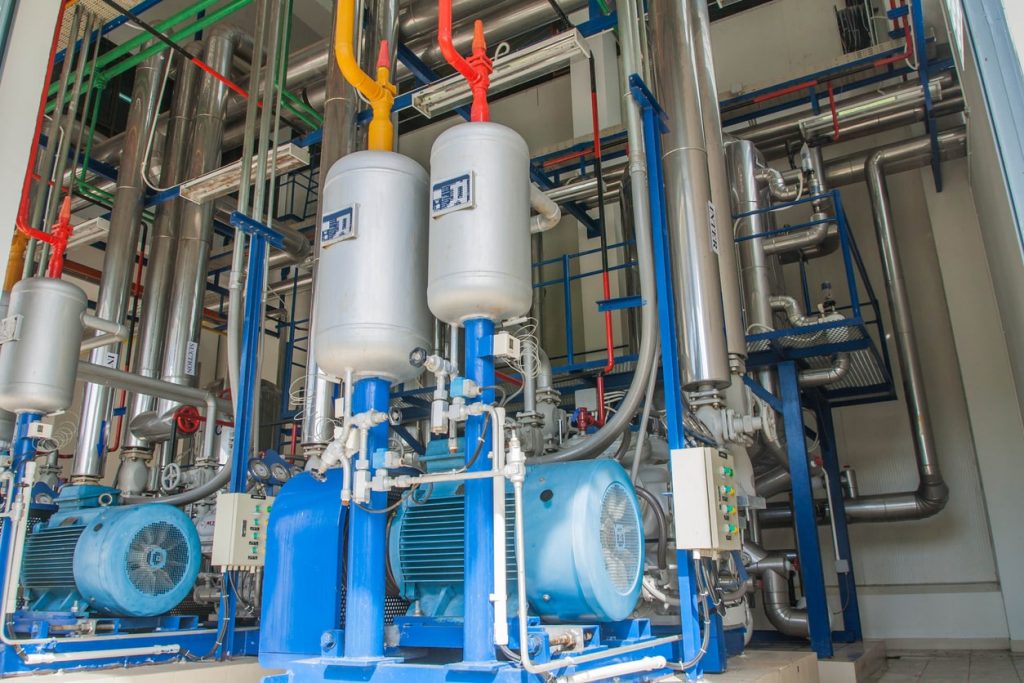
Maintaining an efficient compression cycle is essential for industrial reliability and reduced downtime. By monitoring pressure, temperature, and mechanical components, and implementing proper lubrication, alignment, and preventive maintenance, operators can avoid common pitfalls. Optimizing the compression cycle ensures smooth performance, extends equipment life, and minimizes costly interruptions in critical operations. Industrial systems that rely on…
Read More