
A P.E.T. compressor is designed to efficiently compress gases for industrial applications, ensuring consistent pressure and reliable operation. Its performance depends on well-maintained components, particularly valves, which control gas flow during compression cycles. Proper maintenance and stocking of key parts enhance durability, reduce downtime, and optimize system efficiency.
Understanding how a P.E.T. compressor operates is essential for maintaining efficiency, preventing downtime, and ensuring reliable production. Many facilities struggle with unexpected failures due to worn or improperly stocked valve parts. Knowing which components to monitor and maintain can save time and reduce costs.
This article explores the working principles of a P.E.T. compressor and identifies key valve parts to keep on hand.
Introduction
A P.E.T. compressor plays a crucial role in various industrial processes by efficiently compressing gases for use in production systems. Proper knowledge of its operation, components, and maintenance needs helps ensure reliable performance.
Here is a detailed guide on understanding P.E.T. compressors and stocking essential valve parts.
Overview of P.E.T. Compressors
A P.E.T. compressor is designed to compress gas for industrial applications with precision and consistency. These compressors are valued for their efficiency, reliability, and ability to handle continuous operational demands. By controlling airflow and pressure, a P.E.T. compressor ensures optimal performance in downstream processes. Modern P.E.T. compressors incorporate advanced materials and precision engineering to extend service life and minimize maintenance. Operators rely on these systems for consistent output, as any inefficiency can lead to reduced productivity or equipment damage.
Understanding the overall operation of a P.E.T. compressor helps in selecting the right components, planning maintenance schedules, and optimizing system efficiency. Regular monitoring and preventive care are key to avoiding unexpected downtime.
Core Components and Functionality
A P.E.T. compressor consists of several core components that work together to compress gas efficiently. The main body houses the compression chamber, pistons or rotors, and the inlet and discharge valves. A drive mechanism powers the system, while control systems regulate pressure, flow, and safety functions. Sensors and gauges provide real-time feedback on operational conditions.
Each component contributes to maintaining consistent output, reducing energy consumption, and preventing mechanical stress. Selecting quality parts for these systems, particularly the valve assemblies, ensures that a P.E.T. compressor operates reliably over long periods. Proper assembly and calibration of core components are critical to achieving optimal efficiency and minimizing wear.
Key Valve Parts and Their Roles
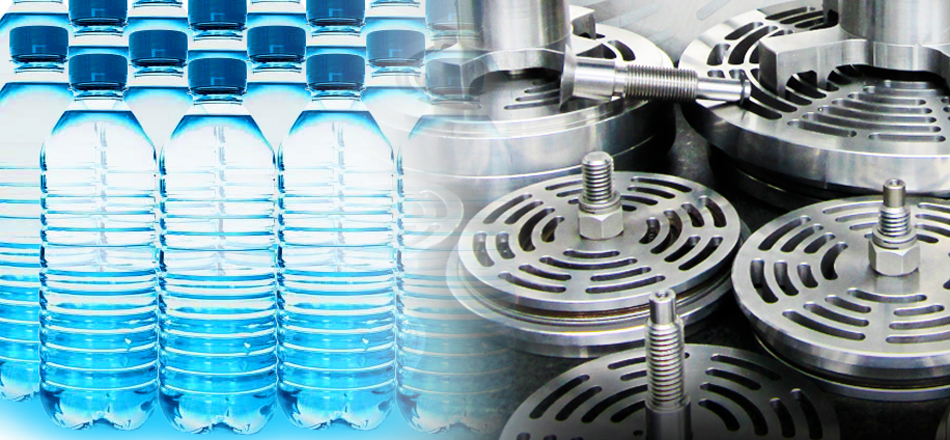
Valve parts in a P.E.T. compressor regulate the intake and discharge of gas, ensuring smooth compression cycles. Inlet valves control gas entry into the compression chamber, while discharge valves release compressed gas to downstream systems. Springs, seals, and plates maintain proper valve alignment and sealing to prevent leaks. Wear-resistant materials are often used to enhance durability.
Monitoring and replacing these parts is essential, as faulty valves can lead to pressure drops, reduced efficiency, and increased energy consumption. Keeping critical valve components in stock ensures timely replacement and minimizes operational interruptions in a P.E.T. compressor system. Understanding each valve part’s role helps operators maintain system reliability and performance.
How the Compression Cycle Works
The compression cycle in a P.E.T. compressor begins with gas entering the compression chamber through the inlet valve. The compressor then reduces the chamber volume mechanically, increasing gas pressure. Once the target pressure is reached, the discharge valve opens, releasing the compressed gas for use in industrial processes. The cycle repeats continuously, with precise timing critical to maintaining efficiency.
Properly functioning valves ensure minimal leakage and consistent pressure delivery. A P.E.T. compressor relies on well-maintained valve components to sustain high-performance cycles and avoid energy loss. Understanding this cycle helps operators anticipate wear points and schedule preventive maintenance effectively.
Common Operational Challenges
Operators of a P.E.T. compressor often face challenges such as pressure fluctuations, valve wear, overheating, and noise. Worn or damaged valve parts can lead to leaks, inefficiency, and system strain. Contamination from dust or debris may reduce valve effectiveness.
Proper material selection and regular inspection of valve components are crucial for minimizing these issues. By addressing common operational challenges proactively, facilities can extend the life of a P.E.T. compressor, maintain consistent output, and reduce repair costs. Predictive maintenance and careful monitoring of key parts help mitigate most operational risks.
Maintenance and Inspection Tips
Routine maintenance is essential to keep a P.E.T. compressor running smoothly. Inspect valve plates, springs, seals, and other critical components regularly for wear or damage. Clean and lubricate moving parts to prevent sticking or corrosion. Monitor pressure, temperature, and performance indicators to identify potential problems early.
Maintaining a preventive maintenance schedule ensures that a P.E.T. compressor operates efficiently and reduces the risk of unexpected downtime. Documenting inspections and replacements also helps track component life cycles and optimize stocking of replacement parts.
Recommended Valve Parts to Stock
Keeping essential valve components on hand for a P.E.T. compressor ensures minimal downtime during maintenance or repairs. Key parts to stock include inlet and discharge valves, valve plates, springs, seals, and gaskets. These items are most susceptible to wear and have the greatest impact on performance. Having quality replacements readily available allows quick swaps and maintains system efficiency.
Stocking critical components for a P.E.T. compressor reduces the likelihood of extended outages and helps maintain continuous production. Facility managers should evaluate usage patterns and inventory requirements to maintain an appropriate spare parts supply.
Material and Quality Considerations for Valve Parts
The longevity and efficiency of a P.E.T. compressor depend heavily on the quality of its valve components. Materials must resist wear, corrosion, and high temperatures to maintain performance. Stainless steel, high-strength alloys, and coated surfaces are common choices for durability.
Selecting valve parts with verified quality and precise manufacturing tolerances ensures reliable operation. Investing in high-quality P.E.T. compressor components reduces maintenance frequency and improves overall system efficiency. Material and production quality directly affect the lifespan of both the valves and the compressor.
Integration with Facility Systems
A P.E.T. compressor must integrate seamlessly with a facility’s operational systems, including pressure control, automation, and safety devices. Proper valve selection ensures compatibility with monitoring and control systems. Integration improves efficiency, reduces energy consumption, and enables automated diagnostics.
Facilities that align P.E.T. compressor components with existing systems experience smoother operation, enhanced performance, and reduced risk of failure. Coordinating valve parts and control interfaces is essential for maximizing uptime and maintaining consistent pressure in industrial processes.
Troubleshooting Valve-Related Issues
Troubleshooting a P.E.T. compressor often involves inspecting valve components for wear, misalignment, or leakage. Symptoms such as pressure drops, unusual noises, or reduced output often indicate valve problems. Replacing or servicing affected parts promptly restores performance.
Understanding common valve-related issues allows operators to act quickly, reducing downtime and preventing more significant damage. Maintaining knowledge of critical components and having spares available ensures that a P.E.T. compressor can be repaired efficiently and continue operating at optimal performance.
Need Compressor Valve Parts?
If your compressor system requires reliable valve parts, KB Delta provides high-quality components designed for durability and performance. Their expert team ensures you receive the correct parts for your P.E.T. compressor needs. They carry parts such as metallic valve parts, thermoplastic valve parts, complete valve assemblies, and compression springs.
Contact KB Delta today to secure premium valve parts that keep your systems running efficiently and reduce operational downtime.
Conclusion
Understanding how a P.E.T. compressor works and the importance of valve components ensures reliable, efficient operation. Proper maintenance, inspection, and stocking of critical parts reduce downtime and extend service life. Selecting high-quality materials and components keeps your compressor system running smoothly and consistently.