


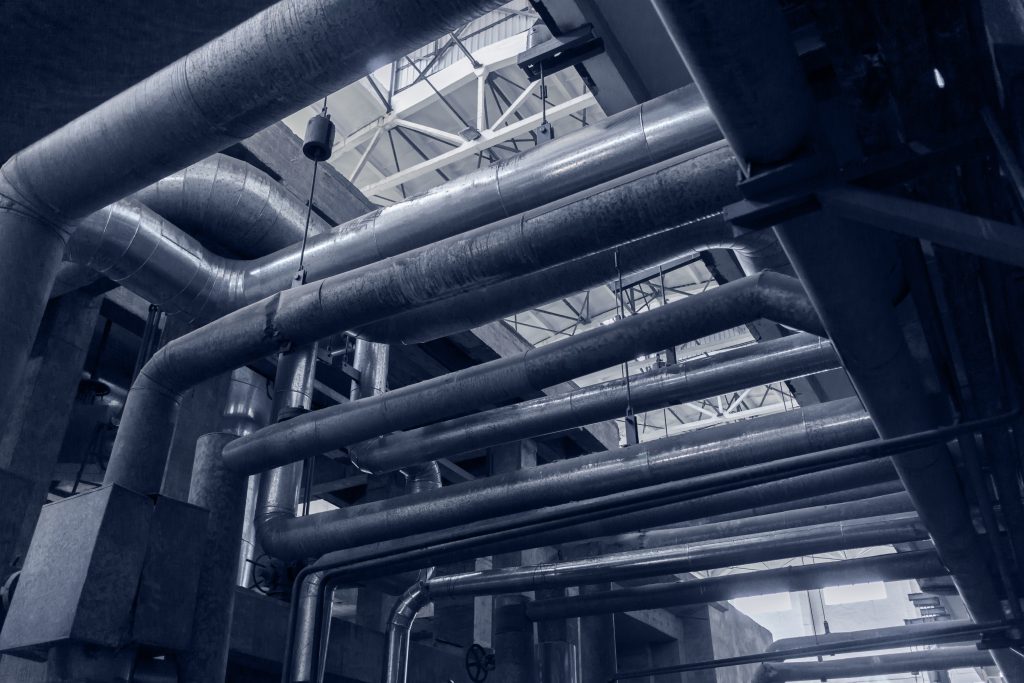
Industrial compressors are built to withstand immense physical demands, keeping crucial pipelines and manufacturing plants moving day and night. Because these high pressure systems function continuously under extreme mechanical load, routine operational interruptions are inevitable. Maintenance technicians regularly isolate compressor units for scheduled inspection checks, hardware upgrades, and emergency system testing.
When an industrial compressor is safely brought offline, managing the trapped internal energy becomes the primary focus. This critical task falls entirely on a specialized component known as the compressor blowdown valve. Understanding how this small but vital component works is paramount to maintaining structural safety, mitigating gas loss, and protecting the longevity of your industrial machinery.
What is a Compressor Blowdown Valve
A compressor blowdown valve is an automated or manually operated valve specifically designed to vent trapped, high pressure gas from the internal system housing and connected piping when a compressor goes offline. When a reciprocating or rotary screw compressor runs, it operates under immense differential pressures. If you simply turn off the engine without relieving this internal strain, the residual force can wreak havoc on the machine.
The primary duty of the metal valve part is to safely depressurize the compressor case, headers, and auxiliary piping located between the main unit isolation valves. By opening up a direct path to an elevated vent stack or a localized flare network, the compressor blowdown valve dumps the volatile, trapped gas volume so maintenance personnel can step in without facing pressure hazards.
Without a reliable valve in place, the trapped gas would remain tightly compressed inside the machine cylinders. This leads to severe complications, including hard restarts that can burn out starter systems and high pressure gas migration that puts immense strain on dynamic internal components.
The Operational Phases of System Depressurization
To keep industrial compression operations moving smoothly or maintain a proper flow rate, the blowdown system must perform reliably through several critical operational transitions.
First, the system relies on the valve to relieve sump or cylinder pressure during an immediate shutdown event. Suddenly halting a compressor with high pressure gas inside places massive loads on internal rods, pistons, and seals.
Second, the valve assists during system unload transitions. When a compressor needs to stay online but temporarily stop discharging high pressure gas into the primary pipeline, the control system triggers the blowdown mechanism to drop the internal pressure load. Running a compressor in an unloaded state significantly reduces energy draw, but only if the internal stages are properly decompressed.
Finally, the valve acts as the primary defense during an Emergency Shutdown procedure. In the event of a pipeline rupture or an unexpected facility emergency, automated controllers rapidly trip the compressor blowdown valve to evacuate all combustible gases from the local station piping within minutes, preventing localized fires from escalating into catastrophic site wide explosions.
The Cost of Leaking Blowdown Equipment
Because blowdown vent stacks are frequently elevated and located out of direct sight, minor mechanical degradation inside the valve body often goes unnoticed for long stretches of time. However, even a microscopic gap on a sealing surface will cost industrial operations thousands of dollars in lost product and dropped efficiency.
Data collected by the Global Methane Initiative(opens in new tab) shows that worn blowdown valves are one of the single largest sources of fugitive methane emissions at pipeline compressor stations. Their research indicates that regular annual inspection and quick component repair programs for leaking blowdown systems can reduce individual station gas losses dramatically, providing a complete return on investment within just a few months of service.
When a blowdown valve develops a continuous internal leak, high pressure gas from the active line constantly escapes past the seals and vents straight into the atmosphere. This ongoing loss forces the active compressor units to work significantly harder to maintain downstream pipeline pressure targets, accelerating the wear rates of other internal parts.
Key Valve Internals That Dictate Success
The reliability of a compressor blowdown valve comes down to the quality of its internal sealing architecture. Because this valve experiences intense thermal changes and rapid gas velocities during every single dump cycle, its subcomponents must be engineered out of top tier materials.
Valve Plugs and Stems
The moving internal components that physically close off the high pressure pathway. They must maintain perfect structural geometry to resist the high velocity gas friction that naturally occurs during depressurization.
Seals and Gaskets
Static and dynamic seals prevent gas from seeping out through the valve bonnet or stem threads. Even slight degradation here allows volatile gases to escape into the immediate work environment.
Valve Seats
The stationary sealing surface that the plug presses against to block flow. If the valve seat becomes pitted, grooved, or warped by passing debris, the valve will fail to achieve a tight shutoff.
Maintaining these precise sealing surfaces requires access to high durability replacement parts. KB Delta specializes in manufacturing top tier compressor valve parts that stand up to the most demanding industrial environments. Sourcing precision machined components ensures that your system valves achieve a complete seal every time they close, protecting your infrastructure from chronic pressure loss.
Best Practices for Blowdown System Maintenance
Allowing a compressor blowdown valve to run without routine inspection opens the door to unexpected production downtime. Establishing a strict preventative maintenance schedule is the most effective way to protect your heavy machinery from trapped pressure complications.
During every scheduled system turnaround, technicians should manually cycle the blowdown system to ensure the actuators move freely without binding. It is also wise to check the vent stack outlets with acoustic leak detection tools or thermal imaging cameras to verify that no gas is creeping past the internal seat while the compressor is actively running under full load.
If an inspection reveals internal erosion, replacing the worn internals immediately prevents the issue from compounding. When you maintain crisp, reliable seals, you actively minimize structural stress, reduce environmental emissions, and maximize the overall volumetric efficiency of your compressor house.
Whenever your team needs to upgrade your internal valve assemblies or source dependable replacement parts to keep your systems leak free, KB Delta is ready to deliver. We manufacture a comprehensive line of industrial compressor internals engineered to meet precise dimensional standards. By pairing high quality manufacturing with regular maintenance checks, you ensure that your blowdown systems respond perfectly the moment your control panel calls for a depressurization cycle. Contact us today for all your compressor part needs.