


Manufacturing delays, rising costs, and inconsistent product quality often stem from overlooked design flaws in molds. Without a strong understanding of injection mold design basics, even small inefficiencies can compound into major production setbacks.
This article explores how mastering injection mold design basics can drive efficiency, improve quality, and reduce overall production costs.
Introduction
Injection molding is a widely used manufacturing process that demands precision, planning, and technical expertise. Understanding injection mold design basics is essential for creating reliable molds that perform consistently over time.
Here is a breakdown of the key principles that influence efficiency and performance in mold design.
What Is Injection Mold Design
Injection mold design refers to the process of creating molds used to shape molten material into specific forms. It involves careful planning of mold structure, material flow, cooling systems, and part ejection to ensure consistent and high-quality production. Engineers must consider factors such as material properties, shrinkage rates, and production volume when developing mold designs. A well-designed mold minimizes defects like warping, sink marks, and incomplete fills. Mastering injection mold design basics helps manufacturers optimize cycle times and reduce waste.
The design process also includes selecting appropriate tooling materials and ensuring durability under repeated use. By focusing on precision and efficiency from the start, manufacturers can avoid costly redesigns and downtime, making mold design a critical component of successful production.
Why Mold Design Impacts Efficiency
Mold design plays a direct role in determining production speed, product quality, and overall operational costs. Poorly designed molds can lead to uneven material flow, longer cycle times, and frequent defects, all of which reduce efficiency. Understanding injection mold design basics allows engineers to anticipate and eliminate these issues early in the process. Efficient mold design ensures balanced filling, proper cooling, and smooth ejection, which collectively improve productivity. It also reduces material waste and energy consumption, contributing to cost savings.
Additionally, optimized molds require less maintenance and experience fewer breakdowns, minimizing production interruptions. By prioritizing efficiency during the design phase, manufacturers can achieve higher output with consistent quality, ultimately strengthening their competitive advantage in the market.
Core Components of an Injection Mold
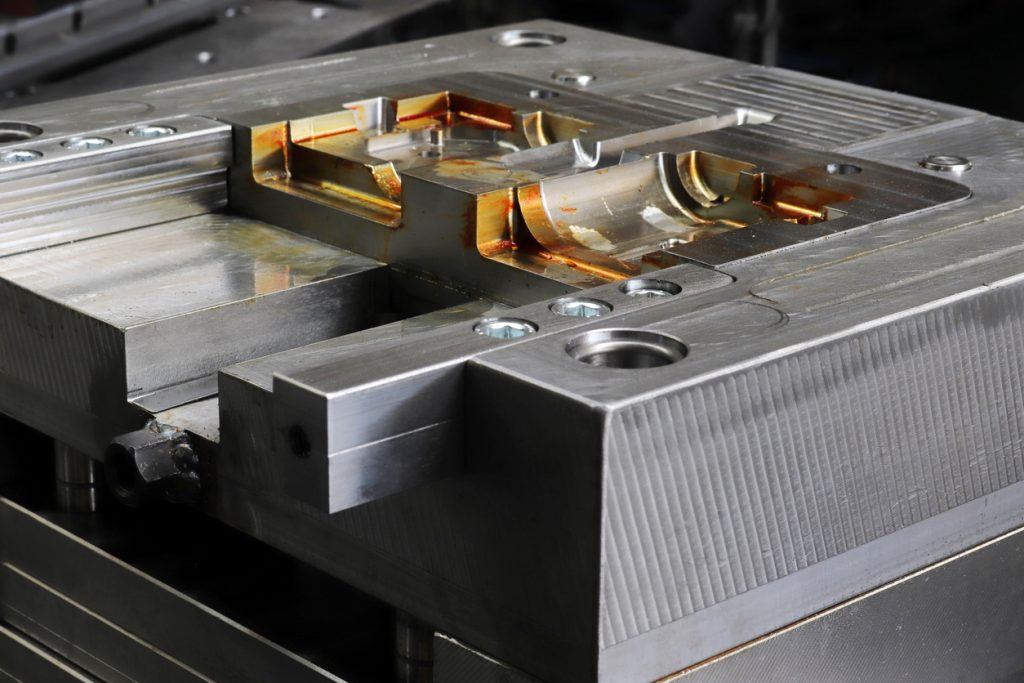
An injection mold consists of several critical components that work together to produce finished parts. These include the cavity, core, runner system, gates, cooling channels, and ejection system. Each component must be precisely engineered to ensure proper alignment and functionality. A strong understanding of injection mold design basics helps designers configure these elements for optimal performance. The cavity and core define the shape of the final product, while the runner system directs molten material into the mold. Cooling channels regulate temperature and solidification, and the ejection system removes the finished part without damage.
Proper integration of these components ensures smooth operation and reduces the likelihood of defects. Attention to detail in each element is essential for achieving efficient and reliable mold performance.
Part Geometry and Design Fundamentals
Part geometry significantly influences how a mold performs during production. Factors such as wall thickness, draft angles, and structural features must be carefully considered to ensure proper material flow and part release. Applying injection mold design basics helps designers create geometries that minimize stress and prevent defects. Uniform wall thickness is especially important, as variations can lead to uneven cooling and warping. Draft angles facilitate easy ejection, reducing the risk of damage to both the part and the mold.
Features like ribs and bosses should be designed to provide strength without adding unnecessary bulk. By optimizing part geometry, manufacturers can improve consistency, reduce cycle times, and enhance overall production efficiency.
Gate Types and Placement Strategy
Gates are the entry points through which molten material flows into the mold cavity, and their design has a major impact on part quality. Selecting the right gate type and placement ensures even filling and minimizes defects such as air traps and weld lines. Understanding injection mold design basics enables engineers to choose gate configurations that align with the part’s geometry and material properties. Common gate types include edge gates, pin gates, and hot tip gates, each suited for different applications.
Proper placement helps control flow patterns and reduces stress within the finished part. A well-designed gating system also simplifies post-processing by minimizing visible marks. Strategic gate design is essential for maintaining both efficiency and product quality.
Cooling System Design Principles
Cooling is one of the most critical aspects of injection molding, as it directly affects cycle time and part quality. Efficient cooling systems remove heat evenly from the mold, allowing parts to solidify quickly and uniformly. Applying injection mold design basics ensures that cooling channels are properly positioned and optimized for maximum effectiveness. Poor cooling design can lead to longer production cycles, increased energy usage, and defects such as warping or shrinkage.
Advanced techniques, such as conformal cooling, can further enhance performance by following the contours of the mold. By prioritizing effective cooling design, manufacturers can significantly improve productivity while maintaining consistent part quality.
Design for Manufacturability in Injection Molding
Design for manufacturability (DFM) focuses on creating products that are easy and cost-effective to produce. In injection molding, this means aligning part design with manufacturing capabilities to reduce complexity and improve efficiency. Understanding injection mold design basics is essential for implementing DFM principles effectively. This includes simplifying geometries, minimizing undercuts, and selecting materials that perform well during molding. DFM also involves close collaboration between designers and manufacturers to identify potential challenges early.
By addressing these issues during the design phase, companies can avoid costly revisions and delays. Ultimately, DFM ensures smoother production processes, lower costs, and higher-quality outcomes.
Contact KB Delta Today!
Looking for reliable compressor valve parts that deliver performance and durability? KB Delta offers high-quality components designed to meet demanding industrial needs, helping you maintain efficiency and minimize downtime.
Contact KB Delta today to explore their extensive selection of compressor valve parts and find the right solution for your operation.
Conclusion
A strong foundation in injection mold design basics is essential for achieving efficient, high-quality manufacturing results. By focusing on key principles such as geometry, cooling, and component integration, manufacturers can optimize performance and reduce costs. Investing in better design practices ultimately leads to more consistent production and long-term operational success.