

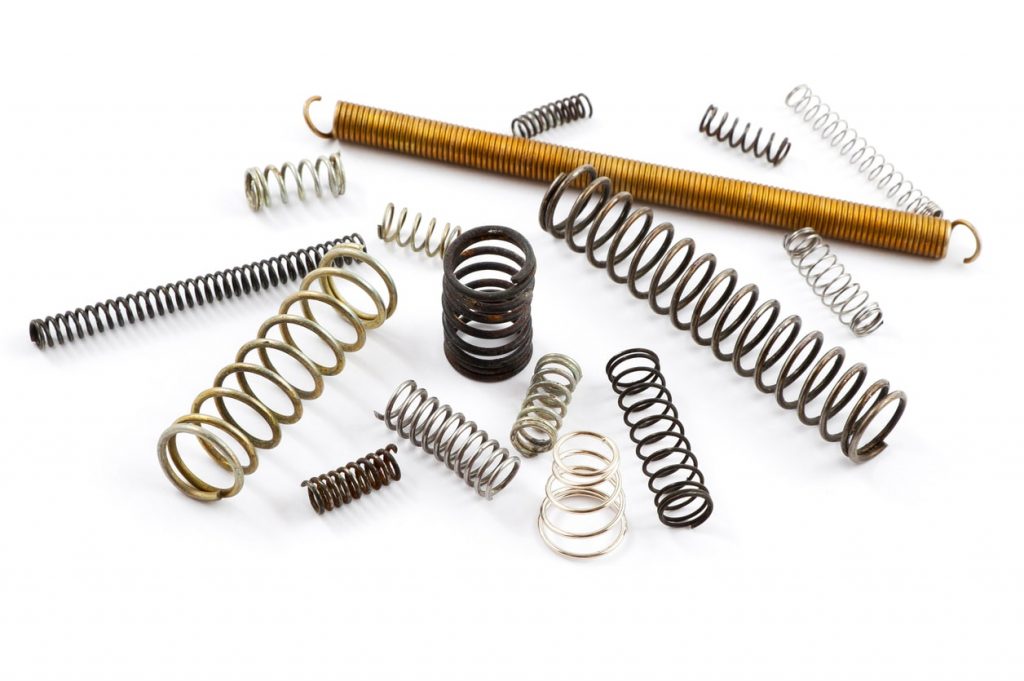
Stainless steel compression springs are durable, corrosion-resistant components designed to withstand repeated compressive forces while maintaining consistent performance. Ideal for demanding environments, they offer reliable load support, fatigue resistance, and long service life. Choosing the right specifications ensures optimal efficiency, stability, and long-term mechanical reliability across a wide range of applications.
Selecting the wrong spring for an application can lead to premature failure, inconsistent performance, and costly downtime. When materials or specifications do not match operational demands, systems may suffer from corrosion, fatigue, or loss of load capacity.
This article explores how to confidently choose the right stainless steel compression springs for durability, reliability, and long-term performance.
Introduction
Choosing the correct spring requires more than matching size and shape. Material properties, load requirements, and environmental conditions all influence performance outcomes.
Here is a comprehensive guide to selecting stainless steel compression springs that meet your operational needs.
How Compression Springs Work
Compression springs are designed to resist compressive forces and return to their original shape when the load is removed. When pressure is applied, the coils compress and store mechanical energy. Once the force is released, the spring expands, releasing that stored energy to maintain motion or tension within a system.
The performance of stainless steel compression springs depends on factors such as wire diameter, coil spacing, and overall geometry. These design characteristics determine how much load the spring can handle and how it responds under repeated cycles. Properly engineered stainless steel compression springs provide consistent force distribution and reliable energy storage, making them essential components in many mechanical assemblies.
Key Benefits of Stainless Steel Material
Stainless steel offers several advantages that make it a preferred material for compression springs. One of its primary benefits is corrosion resistance. In environments exposed to moisture, chemicals, or varying humidity levels, stainless steel compression springs maintain structural integrity longer than many alternative materials.
Additionally, stainless steel provides excellent strength-to-weight ratios and dependable fatigue resistance. This allows stainless steel compression springs to perform consistently under repeated compression cycles without losing their shape or load-bearing capacity. The material’s durability also contributes to longer service life, reducing replacement frequency and maintenance costs. For applications requiring both reliability and environmental resistance, stainless steel remains a practical and cost-effective choice.
Common Applications Across Industries
Compression springs are widely used across diverse industries due to their versatility and reliability. Stainless steel compression springs can be found in manufacturing equipment, medical devices, industrial machinery, and fluid handling systems. Their corrosion resistance makes them especially suitable for demanding or hygienic environments.
In precision assemblies, stainless steel compression springs help regulate pressure, absorb shock, and maintain component positioning. Their adaptability allows engineers to incorporate them into both high-load and light-duty applications. Because compression springs offer durability and consistent performance, they serve as dependable solutions for systems requiring controlled force and repeated mechanical movement.
Load Requirements and Spring Rate Considerations
Selecting the right spring begins with understanding load requirements. Engineers must determine how much force the spring needs to withstand and how much deflection is acceptable during operation. Stainless steel compression springs are available in a range of spring rates, which measure the amount of force required to compress the spring a specific distance.
Accurate load calculations help ensure that stainless steel compression springs operate within their elastic limits. Exceeding recommended load capacities can lead to deformation or failure. Proper spring rate selection supports consistent performance and prevents overstressing. By carefully evaluating operational demands, decision-makers can choose springs that maintain reliability under expected working conditions.
Environmental and Corrosion Resistance Factors
Environmental exposure significantly influences spring longevity. In corrosive or high-moisture environments, material degradation can compromise performance. Stainless steel compression springs are engineered to withstand exposure to humidity, chemicals, and varying atmospheric conditions.
The chromium content in stainless steel forms a protective oxide layer that resists corrosion. This makes stainless steel compression springs ideal for applications where exposure to harsh elements is unavoidable. Selecting the appropriate grade of stainless steel further enhances resistance to specific environmental challenges. Careful consideration of environmental factors ensures long-term durability and minimizes the risk of premature failure.
Temperature and Operating Conditions
Temperature fluctuations can impact material performance and load consistency. Stainless steel compression springs are well-suited for applications involving moderate to elevated temperatures due to their ability to maintain strength under heat.
However, it is essential to evaluate the specific temperature range of the application. Extended exposure to extreme heat may affect elasticity, while extremely low temperatures can influence flexibility. By selecting stainless steel compression springs rated for the intended operating conditions, organizations ensure reliable function across varying environments. Proper material selection supports stability and performance even under challenging thermal conditions.
Dimensional Specifications and Tolerances
Precise dimensions are critical to achieving proper fit and performance. Key specifications include wire diameter, outer diameter, free length, and total coil count. Stainless steel compression springs must align with the spatial constraints and mechanical requirements of the assembly.
Tolerances also play a significant role in ensuring consistent performance. Variations in dimensions can affect load capacity and deflection behavior. High-quality compression springs are manufactured to strict tolerances, ensuring repeatable performance across production batches. Accurate measurements and careful specification review help prevent installation issues and support optimal system functionality.
Compliance and Quality Standards
Quality assurance is essential when selecting mechanical components. Reputable manufacturers produce stainless steel compression springs in accordance with recognized industry standards and quality management systems. These standards ensure consistent material composition, manufacturing precision, and performance reliability.
Compliance with quality guidelines enhances confidence in product durability and safety. Stainless steel compression springs that meet established standards provide assurance that they have undergone appropriate testing and inspection. Organizations benefit from reduced risk of defects and improved operational stability when sourcing springs from quality-focused suppliers.
Custom vs. Standard Spring Options
In many cases, standard spring designs meet application requirements. However, certain systems demand customized solutions to achieve optimal performance. Stainless steel compression springs can be tailored to specific load capacities, dimensions, and environmental conditions.
Custom designs allow engineers to address unique operational challenges while maintaining material benefits. Whether choosing off-the-shelf or custom stainless steel compression springs, careful evaluation of specifications ensures compatibility and reliability. Working with knowledgeable suppliers helps determine the most practical and cost-effective solution for each application.
Working with a Trusted Supplier
Selecting the right supplier is as important as selecting the right spring. Experienced manufacturers understand the technical considerations involved in specifying stainless steel compression springs and can provide guidance based on application requirements.
A trusted supplier offers consistent product quality, transparent documentation, and responsive support. They ensure that stainless steel compression springs meet required specifications and performance expectations. By partnering with a reliable source, organizations gain confidence in component durability and long-term operational success.
Need Compressor Valve Parts?
If you are searching for dependable compressor valve parts and high-quality springs, precision and durability matter. KB Delta specializes in supplying compressor valve parts and springs designed to meet demanding performance requirements. They carry parts such as metallic valve parts, thermoplastic valve parts, complete valve assemblies, and compression springs.
Contact KB Delta today to secure reliable components that support consistent operation and long-term efficiency.
Conclusion
Choosing the right stainless steel compression springs requires careful evaluation of load, environment, temperature, and dimensional specifications. Material quality and compliance standards further influence long-term reliability.
By working with knowledgeable suppliers and understanding application needs, organizations can select compression springs that deliver consistent performance and lasting value.